
Common Symptoms That Signal You May Need Wisdom Teeth Removal

Wisdom teeth are the last molars to appear, usually in the late teens or early twenties. While some grow straight and healthy, many don’t have enough room to erupt properly or emerge at awkward angles. This can cause pain, swelling, or pressure on nearby teeth. Dentists often recommend removal when these molars begin to interfere with oral health. Although not every wisdom tooth needs to be extracted, recognizing potential warning signs can help you determine when it is time to schedule a professional wisdom teeth evaluation.
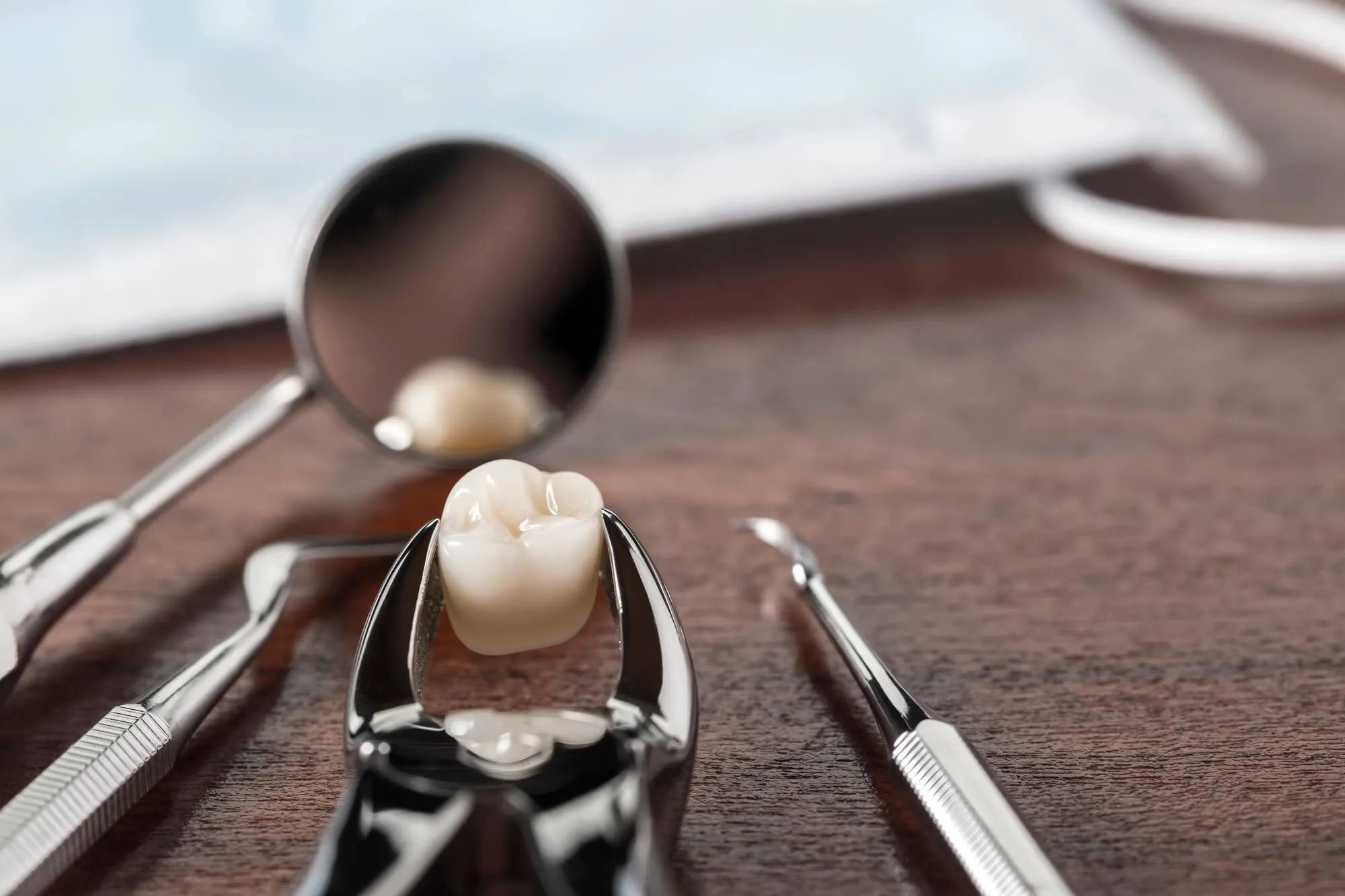
Why Wisdom Teeth Removal May Be Needed
Jaw or Tooth Pain at the Back of the Mouth
One of the earliest warning signs is persistent pain in the back of your mouth. This discomfort may feel like pressure, soreness, or throbbing near the gums where the wisdom teeth are erupting. In some cases, the pain radiates to the jaw, ear, or even the side of the face. Ongoing pain often indicates that the teeth are impacted or pushing against other molars.
Red, Swollen, or Tender Gums
Inflamed gums around wisdom teeth are common when these molars only partially emerge. Food particles and bacteria easily get trapped in these areas, leading to swelling, tenderness, or bleeding when brushing. Over time, this can increase the risk of gum infection, also known as pericoronitis. If the gums at the back of your mouth remain sore despite good oral care, wisdom teeth could be the cause.
Frequent Headaches or Jaw Stiffness
Wisdom teeth that don’t fit properly may create pressure in the jaw. This added stress can trigger frequent headaches or cause stiffness when opening and closing your mouth. Some people also notice difficulty chewing or a popping sound in the jaw joint. These symptoms may indicate that wisdom teeth are interfering with the natural bite.
Bad Breath or a Persistent Bad Taste
Even with consistent brushing and flossing, wisdom teeth can create spaces that are difficult to keep clean. Bacteria build-up in these areas can lead to chronic bad breath or a lingering unpleasant taste. If mouthwash doesn’t solve the issue, it may be a sign that wisdom teeth are contributing to infection or decay.
Shifting or Crowding of Teeth
As wisdom teeth push their way in, they can move nearby teeth out of alignment. This shifting may cause crowding in the front teeth or alter the way your bite feels. Besides changing the appearance of your smile, crowded teeth are harder to clean, raising the risk of cavities and gum disease.
How Wisdom Teeth Removal May Help
When an oral surgery specialist determines that extraction is appropriate, removing a problematic wisdom tooth may help address pain, swelling, recurring infection, or damage to a neighboring tooth. However, not every wisdom tooth requires removal. The recommendation depends on the tooth’s position, symptoms, health, and effect on surrounding structures.
A dental examination and appropriate X-rays are needed before determining the next step. If extraction is recommended, the oral surgery specialist performing the procedure will explain the treatment approach, anesthesia options, preparation, and expected recovery. For concerns unrelated to wisdom teeth, you can also learn more about our general tooth extraction services in Foley, AL.
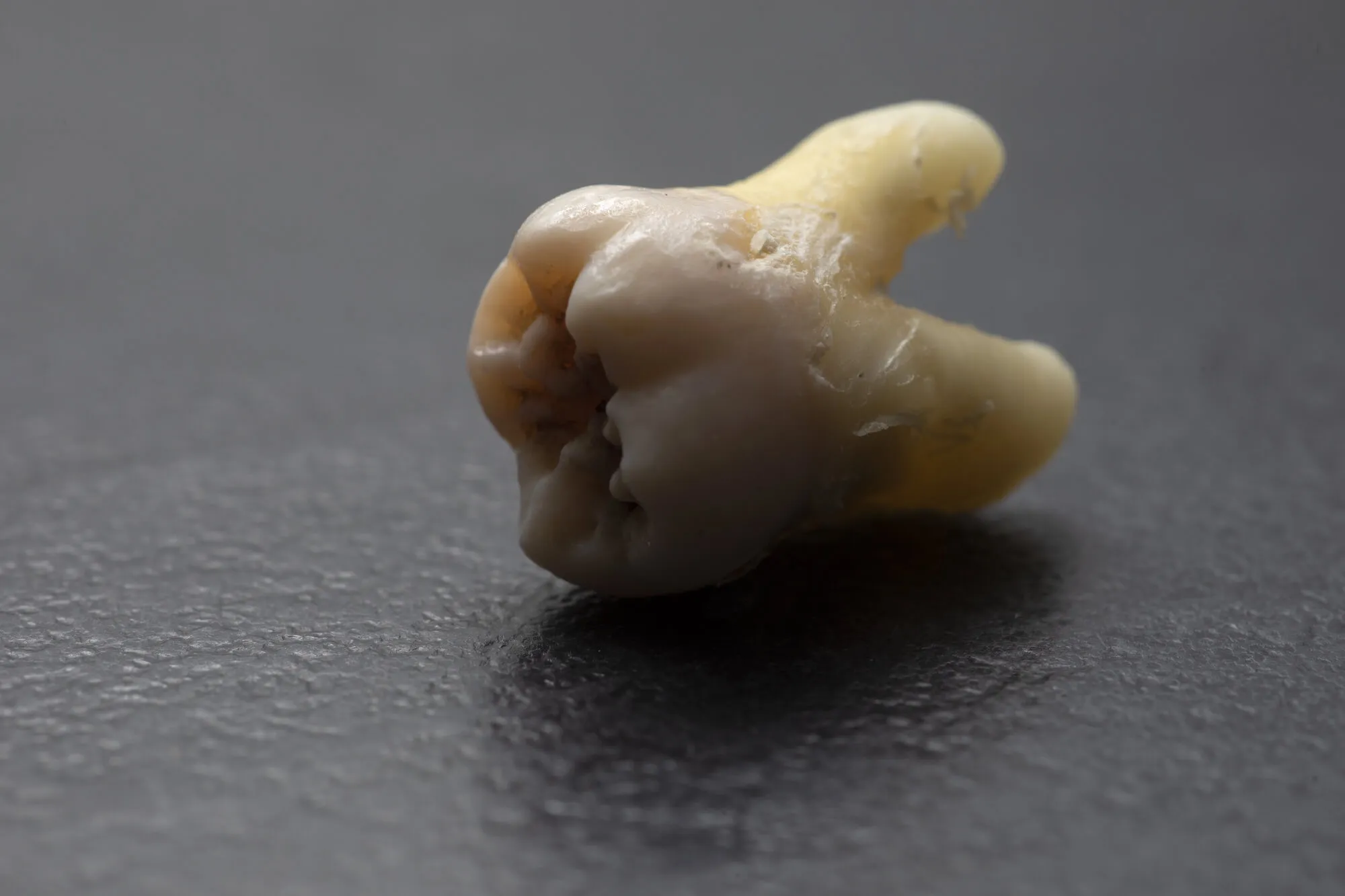
Wisdom Teeth Symptoms FAQ
How do I know if my wisdom teeth are coming in?
Early signs include mild pressure or soreness at the back of the jaw, slight gum swelling, or a tooth that is only partially visible above the gumline. Because wisdom teeth erupt gradually, symptoms are sometimes subtle at first — an X-ray is the most reliable way to confirm their position.
What does wisdom tooth pain actually feel like?
Wisdom tooth pain is often described as a dull ache or pressure toward the back of the jaw, sometimes radiating to the ear or side of the face. Pain that is sharp, throbbing, or paired with swelling may point to an impacted tooth or infection and is worth having evaluated.
What can wisdom teeth cause if left untreated?
Depending on their position, wisdom teeth can contribute to jaw stiffness, headaches, crowding of nearby teeth, or gum infection. Not every case leads to complications, but a dental evaluation can catch problems early.
How can I tell if my wisdom teeth are impacted?
Signs of impaction include persistent pain, a tooth that never fully emerges, or recurring swelling in the same spot. A dental exam with X-rays is needed to confirm impaction, since symptoms alone aren't always conclusive.
Concerned About Your Wisdom Teeth in Foley, AL?
Pain, swelling, or jaw stiffness may indicate that a wisdom tooth needs professional attention, but symptoms alone cannot determine whether extraction is necessary. A dental evaluation can help identify the cause of your discomfort and clarify the appropriate next step.
Foley Dental Associates does not perform wisdom tooth extractions in-house. Our team evaluates painful, impacted, or potentially problematic wisdom teeth and uses appropriate dental X-rays to assess the surrounding area. If removal is recommended, we can refer you to a trusted local oral surgery specialist who will confirm the treatment plan and explain the procedure.
Learn more about our wisdom teeth evaluations and extraction referrals in Foley, AL, or contact Foley Dental Associates at (251) 943-5088 to schedule an evaluation.


